.jpg?width=200&height=135&name=PTL_Logo_Stacked_FS%20(2).jpg)
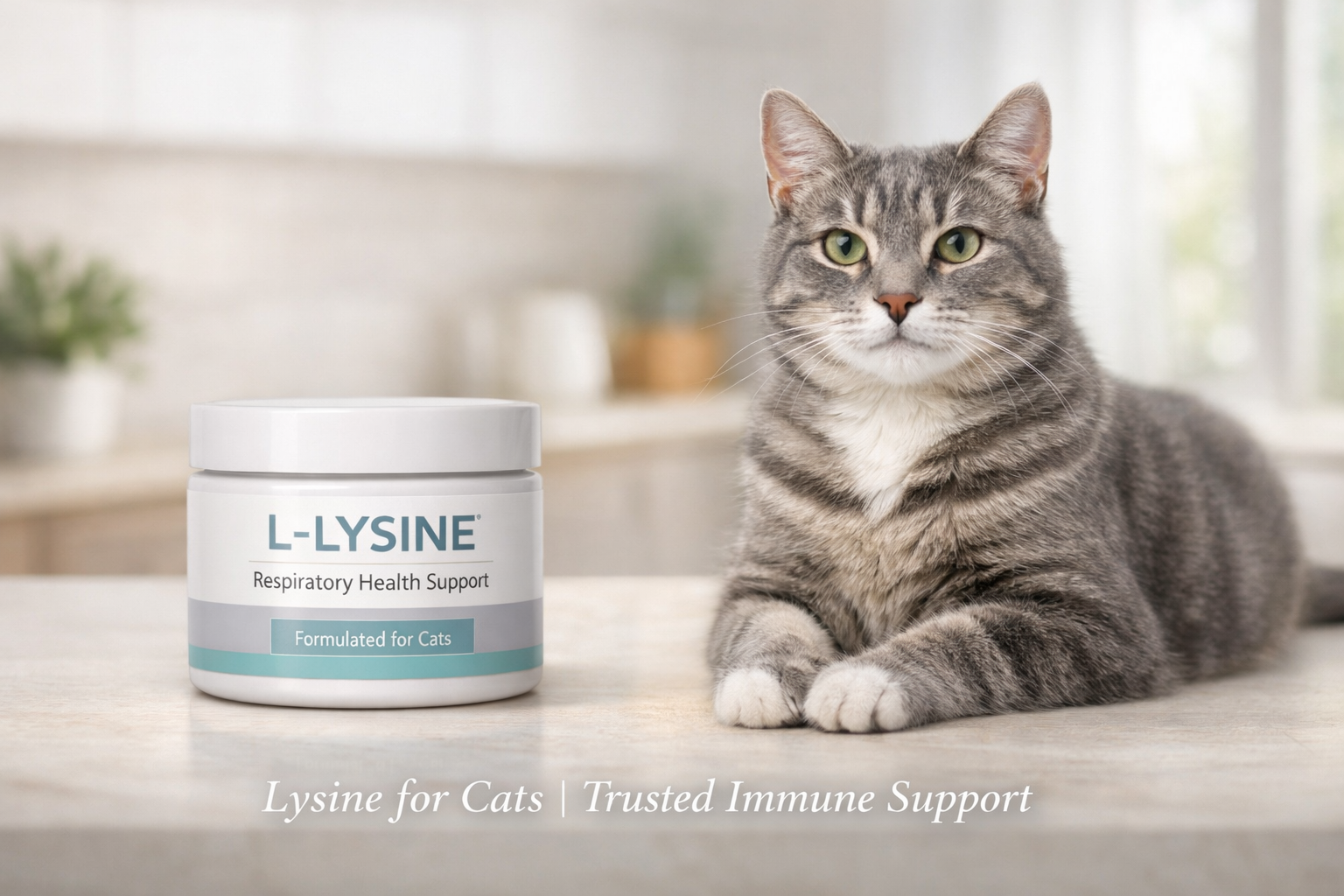
In pet wellness, some categories are driven by fleeting trends, while others are anchored by persistent, biological needs. Lysine supplements for cats fall firmly into the latter.
Despite occasional academic debates regarding its efficacy, consumer demand for L-lysine remains unshakable. Why? Because feline respiratory issues are a perennial pain point for pet parents. For a pet private label supplement brand, the opportunity isn't in reinventing the wheel—it’s in perfecting the delivery, the science, and the transparency.
If you look at the search volume, the signal is clear: cat owners are searching for solutions for "cat flu" and respiratory distress. While some brands shy away from lysine due to lack of understanding, savvy decision-makers recognize it as a product portfolio powerhouse.
When positioned correctly—not as a "miracle cure" but as a vital tool for supporting respiratory health in cats—lysine becomes a foundational SKU in a cat supplement line.
Over 80% of domestic cats are lifelong carriers of FHV-1. Stress-induced flare-ups are a leading cause of sneezing, eye ulcers, and congestion, creating a massive, built-in market for supportive products.
Related Content: Private Label Supplements for Cats
L-lysine is believed to inhibit the replication of the herpesvirus by competing with arginine, an amino acid the virus requires to multiply.
While clinical results can vary, the anecdotal and practical support from vets and shelters is overwhelming. By positioning your brand as "science-respectful"—acknowledging that lysine is a supportive aid rather than a pharmaceutical replacement—you build a level of trust that "hype-driven" brands simply cannot match.
The biggest failure in this category isn't the ingredient—it’s the compliance. If a cat won't eat it, the owner won't rebuy it. To win, move beyond generic white-labeled powders and focus on:
Standard L-lysine is a commodity. A premium private label brand wins by "stacking" ingredients to enhance both real and perceived value. Consider these additives for your private label cat supplements:
Flare-ups are almost always triggered by stress (moving, new pets, vet visits). Marketing a formula as "Everyday Immune Support" that includes calming agents alongside lysine may help target the root cause.
Regulatory bodies like the NASC and FDA are strict about "drug claims." To keep your brand safe and reputable:
By educating your customer on why these structures and functions matter, you move from being a "vendor" to a "partner" in their cat's health.
In the feline herpesvirus supplement space, the "smell test" is literal. L-lysine can be bitter. If your manufacturer hasn't mastered smell-masking and mouthfeel, your churn rate will be astronomical.
High-growth brands focus on the "Three S's": Softness, Size, and Scent. Combine a highly palatable chew with an auto-ship reminder and educational content marketing, and you’ve secured a customer for the life of the cat.
The difference between a "me-too" product and a category leader is the partner behind the curtain. You need a cat supplement manufacturer that understands the nuances of feline palatability and the regulatory hurdles of the respiratory category.
At PetTech Labs, we specialize in:
Don't let your customers go to big-box retailers for their cat’s respiratory needs. Launch a science-backed, highly palatable lysine stack that delivers results they can see.
Book a call with Pet Tech Labs today to explore our private label and custom formula options.

Lysine supplements are most commonly used to support immune and respiratory health in cats, particularly in those exposed to feline herpesvirus (FHV-1). While lysine is not a cure, it is widely used by veterinarians, shelters, and pet parents as a supportive tool to help manage stress-related flare-ups such as sneezing, eye discharge, and congestion.
No. L-lysine does not cure feline herpesvirus. FHV-1 is a lifelong virus that remains latent in most cats. Lysine is best positioned as a supportive supplement that may help reduce symptom severity or frequency during flare-ups, especially during periods of stress. Any brand claiming to “cure” or “treat” herpesvirus is making an illegal drug claim.
Because feline herpesvirus management is ongoing. Once a cat experiences flare-ups, owners often look for long-term, daily support solutions rather than one-time treatments. This creates strong repeat purchase behavior, especially when the product is palatable, easy to dose, and clearly positioned as part of a daily immune support routine.
When properly formulated and dosed, lysine is generally considered safe for long-term use in cats. That said, dosing accuracy, ingredient quality, and palatability all matter. Brands should work closely with experienced pet supplement manufacturers to ensure formulations are appropriate for daily use and clearly labeled with weight-based feeding directions.
Clinical studies on lysine show mixed results, often due to differences in dosing, formulation quality, study design, and outcome measures. This is why transparent, science-respectful marketing matters. The most successful brands acknowledge the nuance, position lysine as supportive rather than curative, and focus on real-world outcomes valued by pet owners.
Palatability, delivery format, and formulation strategy. Many cats refuse bitter powders, leading to poor compliance and high churn. Premium products focus on soft chews, flavored pastes, or sprinkle formats, combined with clear dosing, smell-masking techniques, and complementary ingredients that enhance perceived and actual value.
Yes—and it should be. High-performing private label brands often combine lysine with calming ingredients, immune-support compounds, or stress-modulating nutrients. Since stress is a major trigger for herpesvirus flare-ups, stacking lysine with calming or immune-support ingredients can create a more comprehensive daily support formula.
Lysine appeals to both. Kittens are often exposed to FHV-1 early in life, while senior cats may experience more frequent flare-ups due to immune changes. This dual-market appeal makes lysine supplements a strong foundational SKU for brands targeting multiple feline life stages.
Labels should avoid disease claims and instead use structure-function language such as “supports normal respiratory health” or “helps maintain immune function.” Terms like “treats cat flu” or “prevents herpes” should never be used. Compliance-focused labeling builds trust with regulators, retailers, and consumers alike.
Lysine is notoriously bitter, and cats are unforgiving. Without proper flavor masking, texture optimization, and feline-specific palatability testing, even well-marketed products fail. A knowledgeable pet supplement manufacturer ensures correct dosing, regulatory compliance, shelf stability, and—most importantly—repeat purchases.
Tags:
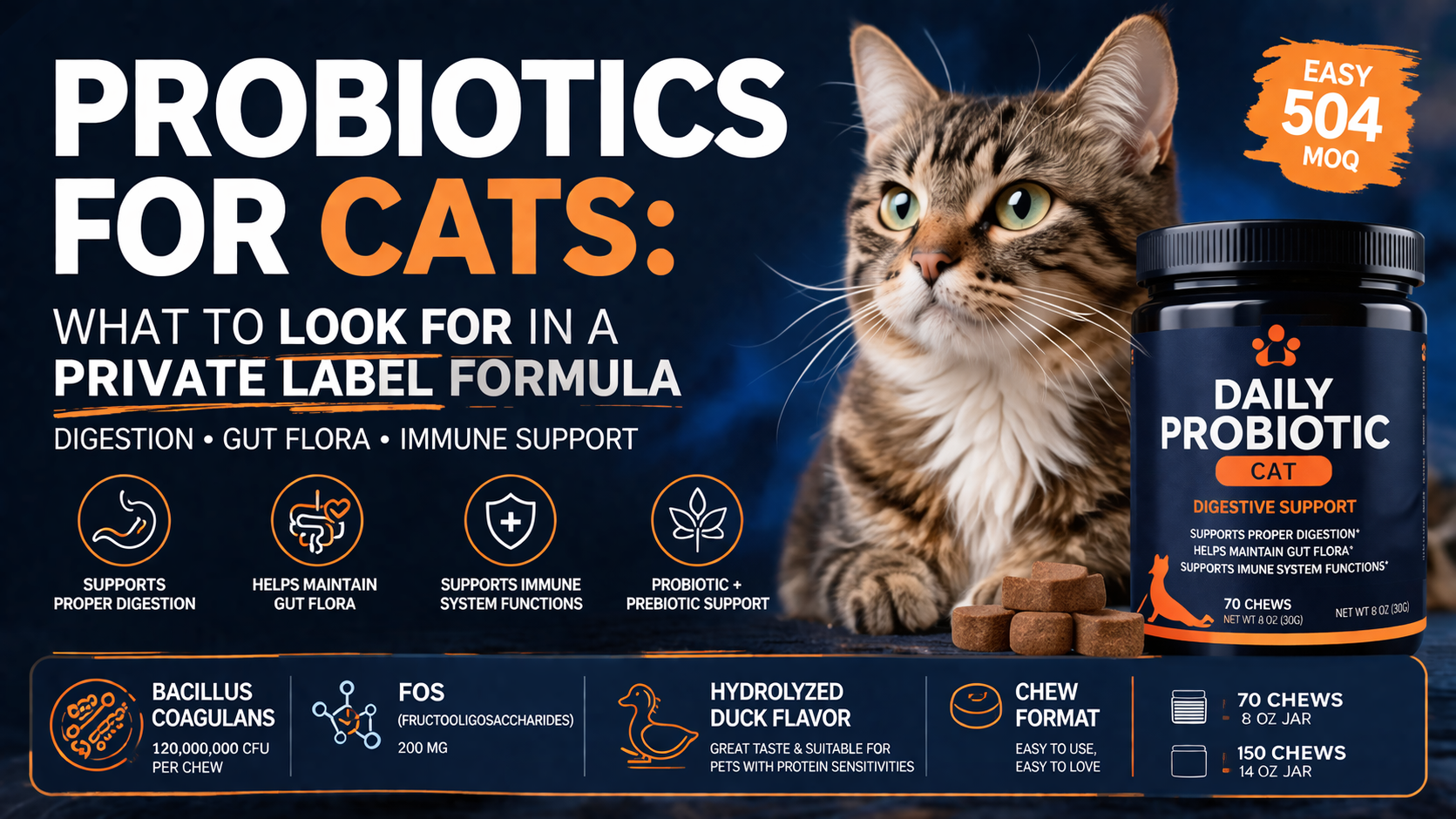
A lot of probiotics for cats sound better on the front of the label than they do under a closer...
Pet Tech Labs Team
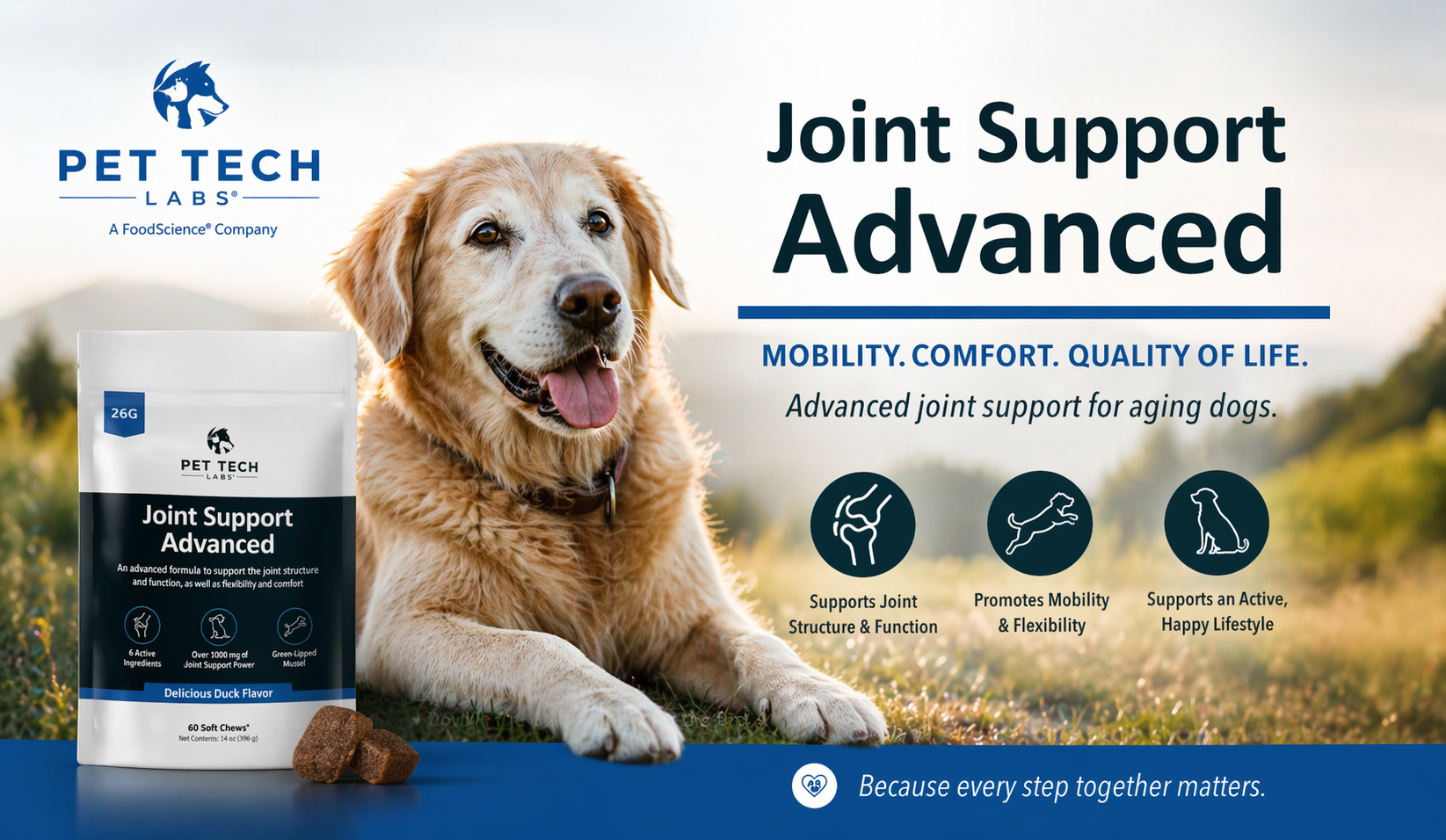
A lot of glucosamine chews for dogs look the same at first glance. Big front-label promises....
Pet Tech Labs Team
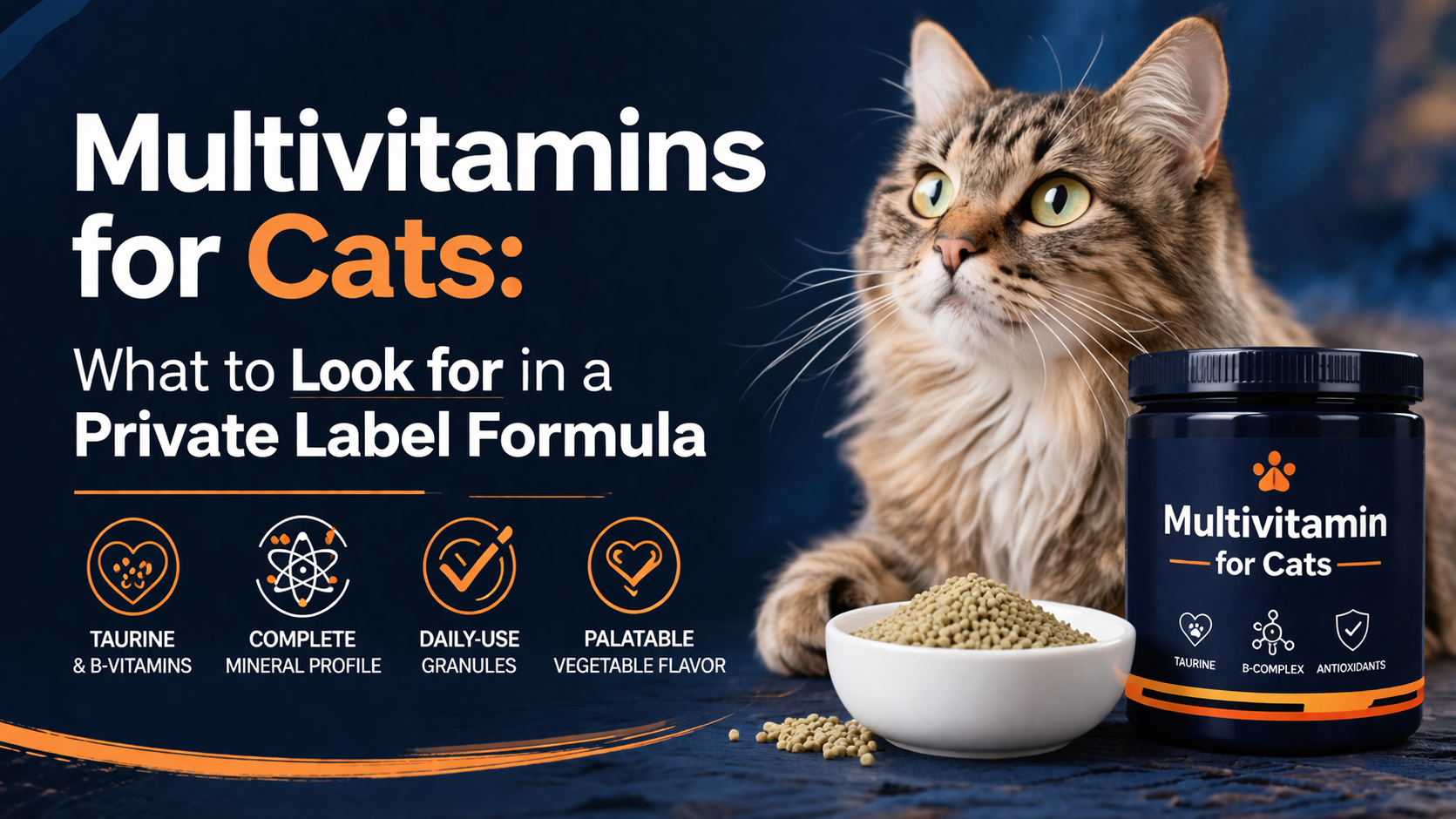
Quick Answer: What Should a Good Multivitamin for Cats Include? A strong multivitamin for cats...
Pet Tech Labs Team
Science has made incredible recent discoveries about the profound effects of microbiome health on...
Pet Tech Labs Team
Pet Tech Labs® sets the gold standard for companies looking for top-quality pet supplements and private labeling or contract manufacturing solutions
Pet Tech Labs® is part of the FoodScience® family of brands. Learn more at foodsciencecorp.com